The bench is a resource
When a frontline player is rested, the replacement is often already in your shortlist as a differential. Read the pre-match press conference; the captain and coach usually telegraph the change the day before.
A working map of the Indian Premier League season for fantasy cricket — squad windows, venue factors, captaincy timing and the contest tier choices that actually swing the leaderboard.

The IPL is the most contested fantasy cricket window of the Indian season. Squads are deep, fixtures come thick, and the captaincy decision changes between matches more than any other format. the guide is built for adults who want a working map of the tournament — not a star-pick list.
Each IPL franchise carries roughly 22-25 players across the season. Most fantasy teams pick the same eleven from the top of the squad sheet, but the second-tier players are where the differential captain picks live. The all-rounder slots — players who bowl four overs and bat in the top seven — accumulate points from both innings and rarely get benched.

When a frontline player is rested, the replacement is often already in your shortlist as a differential. Read the pre-match press conference; the captain and coach usually telegraph the change the day before.
Every IPL venue has a personality. Chennai offers turn from the seventh over onwards; Mumbai's Wankhede offers pace and bounce; Bengaluru's Chinnaswamy offers batting paradise; Kolkata's Eden Gardens offers variable bounce. The fantasy captain pick needs to reflect the venue, not the player's reputation.
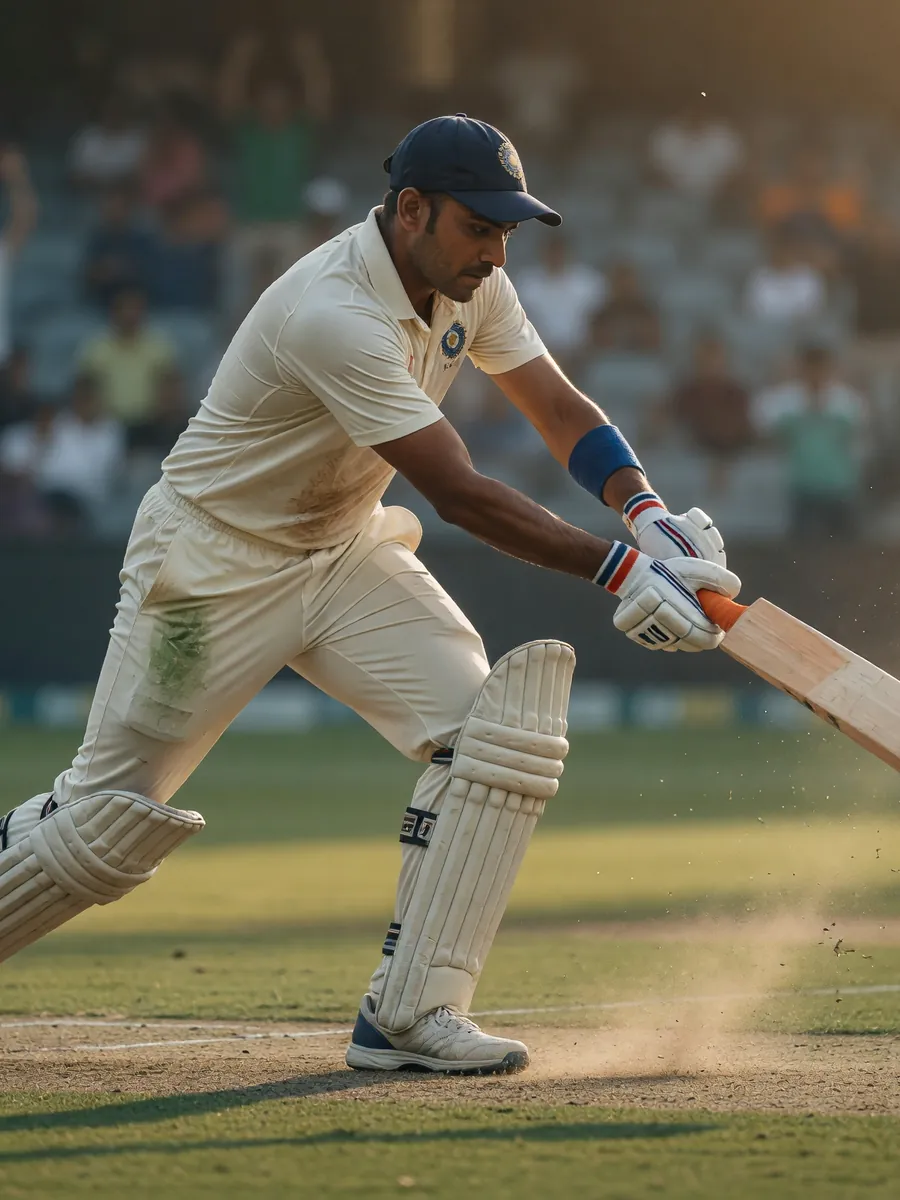
The IPL schedule is roughly one match every two days for each team, with double-headers scattered through the calendar. Workload management becomes a fantasy variable as much as a real-cricket variable. Three frontline quicks who played the full four overs in the last match are unlikely to bowl a full four in the next one.

The franchises announce rest days officially. The fantasy community tracks them quietly. A bowler who has been rested once already in the season is more likely to be rested again, and the replacement is often a smart captain differential.
Most paid fantasy contests on Jeeto11 and similar platforms run as single-match contests, but the smart player thinks in five-match windows. Plan your captain rotations, your differential picks, and your budget across five matches, not one. The patterns emerge over a window.
The IPL auction happens once a year, but the fantasy-value implications last the whole season. The auction price tells you what the franchise thinks a player is worth relative to the alternatives; the fantasy points value follows the same ranking, with some adjustments for role clarity.
Three auction signals worth tracking:
The auction is also the source of the "buy-low, sell-high" differential. A player bought cheaply in the auction but assigned a clear role (top-order bat, death-over bowler) is a fantasy captaincy differential before the points confirm the role.
Read the auction press releases. They are written for the press, not for fantasy players, but the role language — "we see him as a top-order bat", "he will lead the death bowling" — is direct fantasy intelligence.
The IPL schedule is backloaded for the stronger teams. The top four from the previous season play their last eight matches in roughly three weeks, with double-headers and short turnarounds. The schedule congestion reshapes the captaincy decision in two ways.
First, frontline quicks who have bowled four overs in the previous match are unlikely to bowl four overs in the next. The differential captain pick is often the part-time seamer who gets two overs in the powerplay because the frontline quick is rested. Second, the second-half schedule favours batters who can play multiple roles — openers who bat through the innings, middle-order batters who can anchor, finishers who can clear the ropes at the death.
The second half is also where the playoff race changes the team behaviour. Teams that are out of the running rest their frontline players; teams that are in the running play their best XI every match. Track the playoff race; the captaincy decision shifts accordingly.
The IPL introduced the Impact Player rule in 2023, and the rule has quietly reshaped fantasy cricket. An Impact Player is an additional substitute who can be activated by either team at any point during the match; the substitution replaces one player in the XI for the remainder of the innings.
For fantasy cricket, the Impact Player rule creates three new inputs:
The Impact Player rule changes the captaincy decision in two ways. First, the captain pick on the activated Impact Player gets the captaincy multiplier for the second half of the innings, which can double the captain's points. Second, the captain pick on the substituted player gets zero points for the second half, which can halve the captain's total.
Track the Impact Player activations in the matches you watch. The pattern over a season tells you which teams activate by role (bowler-heavy, batter-heavy) and which teams activate by timing (early, late).
Each IPL venue has a par score that recurs across matches. The par score is the average first-innings total at the venue across the last three seasons. Reading the par score tells you whether the surface is batting-friendly or bowling-friendly.
For example, the Wankhede Stadium in Mumbai has a par score around 175 in T20 matches; the MA Chidambaram Stadium in Chennai has a par score around 155; the M. Chinnaswamy Stadium in Bengaluru has a par score around 185. The differences are real and they change the captaincy decision.
A venue with a high par score favours top-order batters who can score quickly. A venue with a low par score favours bowlers who can restrict the scoring. The captain pick follows the venue's par score, not the team's reputation.
The par score is published in pre-match coverage and sometimes in the lobby. The arithmetic is the par score, not the team's reputation.
Some IPL stadiums have a home-team advantage that is not explained by the surface. The advantage comes from familiarity — the home team knows the boundary lengths, the dressing room acoustics, the practice nets, the local food. The advantage is small but real; the away teams sometimes play tighter, more conservatively.
The stadium effect matters for fantasy cricket in two ways. First, the home-team batters are slightly more likely to score runs; the captaincy on a home-team batter has a small edge. Second, the away-team bowlers are slightly more likely to leak runs under pressure; the captaincy on an away-team batter is a calculated risk.
The stadium effect is most pronounced in the second-half schedule when the home crowd is loud and the away team is fatigued. The first-half schedule has a smaller stadium effect; the travel and the weather are bigger variables.
The IPL playoff race changes between match days. Tracking the race tells you which teams are playing for results and which are playing for development.
Teams out of the playoff race usually rest frontline players; the rest day creates a captaincy differential opportunity on the replacement. Teams in the playoff race usually play their best XI every match; the captaincy differential is harder to find, but the upside is higher because every match is meaningful.
The playoff race is published on the IPL website and in the pre-match coverage. The race is not just the standings; it is the net run rate, the remaining fixtures, and the head-to-head records. Read the race before each match; the captaincy decision follows.
Related reads: How to play · Match predictions · Teams & players